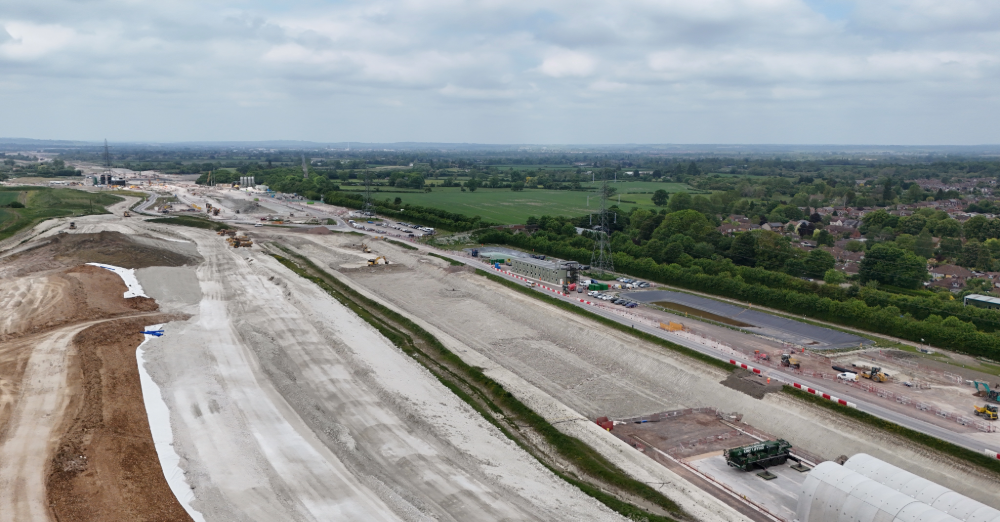
Nearly 20 years since it was first unveiled as the UK’s most ambitious infrastructure project in a generation, HS2 has become a cautionary tale of delays, budget overruns, and broken promises.
Back when George Osborne was Chancellor, he gave HS2 the green light, the idea sounded pretty exciting. We were promised a shiny new high-speed rail line linking London to Birmingham, Manchester, Leeds, and Sheffield – trains zipping along at nearly 250mph, with possible links to Heathrow and even the Channel Tunnel. And the price? A “reasonable” £32.7 billion. Today, that dream lies in tatters – and taxpayers are footing the bill.
The Reality Check
Fast forward to 2025, and what remains of HS2 barely resembles the project initially sold to the public. The cost has ballooned to what could now exceed £100 billion, and most of the planned routes have been scrapped. The grand network has been reduced to a single stretch between the outskirts of London and Birmingham, where trains are unlikely to reach their much-hyped top speeds.
Adding insult to injury, there’s already an existing service between London Marylebone and Birmingham Snow Hill. It takes just two hours, runs from central London to central Birmingham, and has even won performance awards. Many are left wondering: why are we spending billions on a “high-speed” route that starts outside London and doesn’t offer anything dramatically faster?
A Damning Review from Within
Last week, newly appointed Chief Executive Mark Wild delivered a scathing assessment of the project. In his root-and-branch review, commissioned by Transport Secretary Heidi Alexander, Wild didn’t mince words. He described HS2 as “unsustainable in cost, schedule, and scope,” and warned that the issues go beyond what’s already known.
His conclusion? The project is “appalling” in its current state.
Alexander echoed his concerns, admitting she saw “no route by which trains can be running by 2033. ”She added that rising costs are still climbing and, perhaps most alarmingly, “not all cost pressures have yet been identified.”
How Did We Get Here?
Critics have long argued that the HS2 budget was being “actively misrepresented” from the start. What was initially pitched as a sleek, efficient, and modern solution to the UK’s transport woes has become a masterclass in mission creep and poor oversight.
Each year brought fresh delays, spiralling expenses, and shifting goals. Political pressure kept the project alive, but key parts of the northern leg were eventually axed – stripping the initiative of much of its promised benefit for the Midlands and the North.
Now, the public is left with a staggering bill and a high-speed line that, many argue, we didn’t really need.
What Happens Next?
With Mark Wild now at the helm and a full review underway, there’s cautious optimism that HS2 can be brought under control – but that might mean even more scaling back. There’s talk of reimagining the project with tighter budgets and clearer deliverables, but after so many setbacks, public trust is understandably low.
Meanwhile, questions are being asked:
- Should future infrastructure projects be subject to more independent scrutiny before receiving approval?
- Can the UK still justify massive transport investments in a post-pandemic world where remote work has become the norm?
- And what lessons can we learn from this to guarantee transparency and accountability in government spending?
Final Thoughts
HS2 should have been a game-changer – a symbol of modern Britain on the move. Instead, it’s turned into a political hot potato and a financial black hole. Going forward, the real task isn’t just trying to rescue what’s left of the project – it’s about gaining back the public’s trust in how big, taxpayer-funded projects are planned and delivered. Because if we can’t trust our leaders to deliver what they promise, it’s not just train lines that go off track.