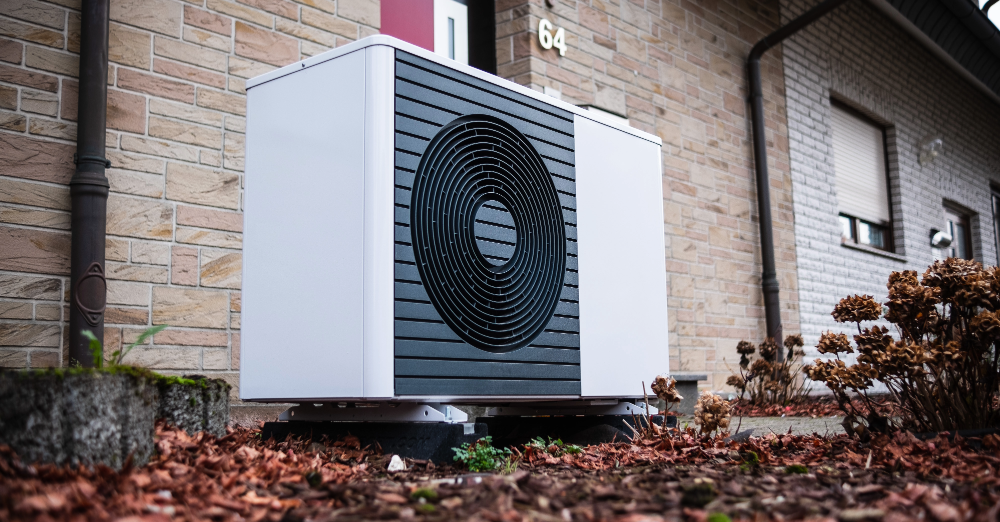
Thinking about ditching your old gas boiler for a heat pump but put off by all the planning red tape? You’re not alone. But here’s the great news – those barriers just got a whole lot lower. Thanks to a recent government rule change, it’s now easier for millions of homeowners to switch to this cleaner and greener way to heat your home.
As part of the government’s Warm Homes Plan, a key planning restriction has been lifted: you no longer need to keep your heat pump at least one metre away from your neighbour’s property. This update is designed to boost the adoption rates of heat pumps across England by simplifying the process, especially for those who need a quick replacement.
What’s Changed?
Until now, if you wanted to install a heat pump closer than a metre to your neighbour’s boundary, you had to apply for planning permission. This rule was initially implemented to address concerns about noise. However, for many homeowners – particularly those in urgent need of replacing a broken gas boiler – it meant frustrating delays and red tape.
The recent change means:
- You can now install a heat pump within one metre of your neighbour’s property without planning permission.
- Noise restrictions still apply, but newer heat pump models are significantly quieter than older versions.
- Rules around the size and number of heat pumps allowed per property have also been relaxed.
In short, the government is clearing the path for more households to adopt low-carbon heating options, without requiring them to jump through hoops.
Why It Matters
Most UK homes still rely on gas boilers for heating and hot water, which are responsible for approximately 14% of the UK’s greenhouse gas emissions. As the country pushes to meet its climate goals, replacing gas boilers with electric heat pumps is seen as a crucial step.
Heat pumps run on electricity, and as the UK shifts more of its grid to renewable energy sources like wind and solar, the carbon footprint of running a heat pump shrinks significantly. That makes them a more sustainable choice for the long haul.
But until now, planning rules, upfront costs, and confusion over energy ratings have all slowed progress.
EPC Ratings: Still a Bump in the Road
Despite this planning win, heat pump adoption still faces one big challenge: the way Energy Performance Certificates (EPCs) are calculated.
Currently, EPCs often rate gas boilers more favourable than heat pumps. That’s because EPCs are based on running costs, and gas is usually cheaper than electricity. This outdated method doesn’t reflect the long-term environmental benefits or the expected drop in electricity prices.
In practice, this means homeowners trying to make greener choices might be penalised on paper, especially when it comes to selling or renting out a property.
Faster Installations, Fewer Emissions
For many people, the idea of waiting weeks (or even months) for planning permission to install a heat pump, especially if their boiler has broken, is enough to deter them from pursuing the idea altogether. But this new rule change means quicker turnarounds and fewer logistical headaches.
And with manufacturers continuing to innovate, the next generation of heat pumps is quieter, smaller, and more efficient than ever.
By lowering both practical and psychological barriers, the government hopes that more households will start making the switch, thereby cutting emissions and reducing energy bills.
Final Thoughts
Hopes are that this planning rule change will help remove a key barrier for those looking to adopt low-carbon heating solutions. By streamlining the process, it may encourage more homeowners, builders, and installers to transition towards systems like heat pumps – reducing delays and making energy upgrades more accessible.