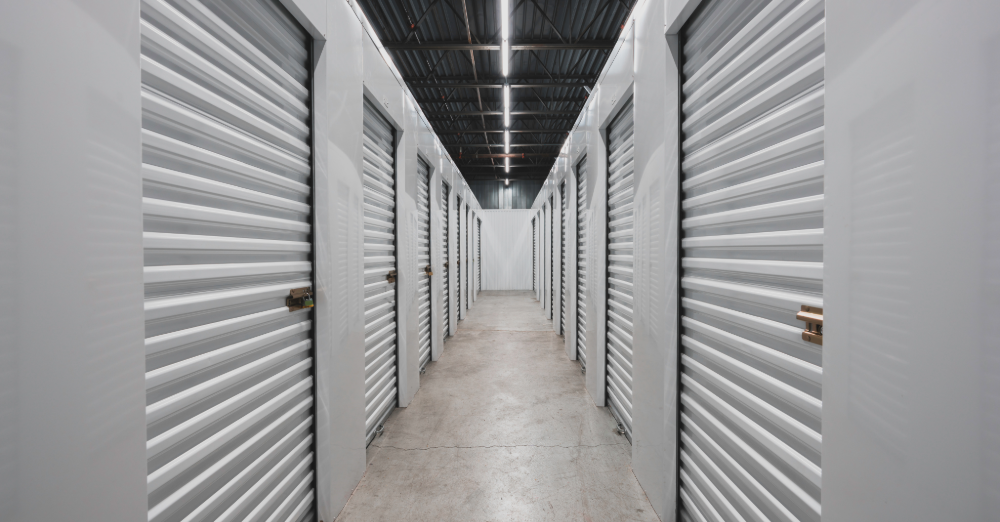
Take a quick look around any British town or city, and you’re bound to spot one – a self-storage facility with rows of metal doors and bold signs offering “your space, your way.” Once seen as a niche solution for people in transition, self-storage has now become a booming part of everyday life in the UK.
In fact, according to the Storage Association, the number of storage facilities has nearly doubled over the past few years. As of 2018, the UK had approximately 1,505 sites. Fast forward to today, and we’re looking at over 2,700 siteswith a whopping 60 million square feet of available storage space. That’s more than any other country in Europe.
So what’s driving this surge – and why are so many Brits embracing the idea of renting a room just to store their stuff?
Smaller Homes, Bigger Storage Needs
One key factor is simple: our homes are getting smaller. A Royal Institute of British Architects (RIBA) survey found that UK homes are among the smallest in Europe, with many people folding their lives into compact flats, shared houses, and rental spaces that leave little room for extras.
Add in rising rents and house prices, and it’s no surprise that many people are turning to self-storage as a pressure release valve for their overflowing wardrobes, furniture, sports gear, and sentimental clutter.
In a way, self-storage has become a kind of modern attic – one that you pay for monthly and access with a PIN code.
Temporary Needs That Turn Into Habits
What starts as a short-term fix often turns into a long-term habit. Whether it’s moving house, downsizing, going through a breakup, or managing a bereavement, life events usually push people to rent storage “just for a few weeks.” But months, or even years, can go by before they return to clear it out.
Many users describe their storage units as strangely comforting. These quiet, liminal spaces allow you to push pause on difficult decisions: what to keep, what to discard, and which memories you’re not yet ready to face.
But as those monthly bills roll in, the question becomes: is it worth paying to hold onto things you don’t actually need?
Businesses Are Also Using Self-Storage Units
It’s not just people storing old furniture and boxes of memories – small businesses are even using storage facilities. These units offer a handy, low-cost solution – whether it’s stock, tools, or supplies. With online shops booming and flexible work setups becoming the norm, lots of companies are finding it way more affordable to rent a bit of storage than lock themselves into pricey office or warehouse leases.
The pandemic brought an additional wave of demand, as businesses scrambled to store excess stock or adjust their operations. While occupancy levels at big names like Big Yellow and Safestore have cooled slightly since the COVID-19 spike, that’s not due to fading demand – it’s because competition has intensified, and it’s fairly easy for anyone to enter the market.
The Economics of ‘Out of Sight, Out of Mind’
There’s also a psychological side to all of this. Storage allows us to avoid hard choices, and in an uncertain world, that can feel like having control. But it comes at a cost – literally. It’s not unusual for people to spend hundreds, even thousands of pounds a year storing items they haven’t seen in months.
With growing economic uncertainty, more people are expected to turn to storage as a buffer – a space to buy time during job losses, family changes, or financial strain. However, as that becomes the norm, it raises an important question: Are we using storage smartly, or are we just avoiding de-cluttering?
Final Thoughts
Our obsession with storage isn’t just about hoarding – it how we live today. Smaller homes, changing lifestyles, and economic instability have made self-storage a solution. Whether it’s temporary or a long-term commitment, there’s no denying its appeal: a clean, lockable space to keep your life neatly tucked away -at least for now.
But as the industry continues to grow, it’s worth asking ourselves: are we storing stuff, or storing stress?